 CALL US:
  777 S Central Expressway, Suite 101 Richardson, TX 75080
A note from one of our founders, Raul Guerra…... Full Story
By admin
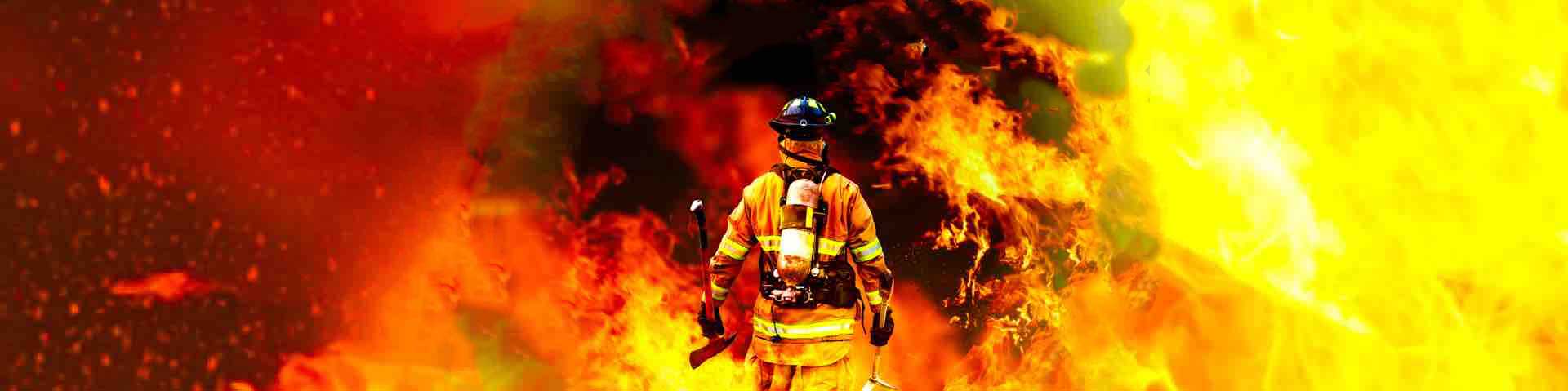
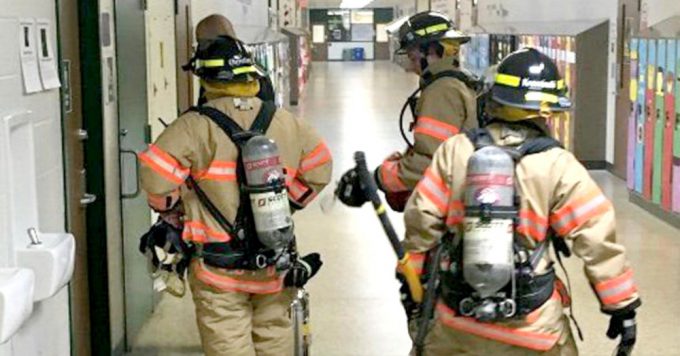
In an emergency, first responders use their 2-way radios as a lifeline. The emergency signal system is used by firefighters and law enforcement officers to get directives from the command center, as well as communicating conditions and locations with each other. EMTs use the emergency signal system to communicate with the ER for diagnostics and approvals to perform life-saving procedures. But, if first responders cannot communicate from inside a building, their lives and the lives of occupants may be at risk and the liability will be spread to all involved with design, specification, permitting, construction, engineering and operations — with ultimate responsibility going to the building owner.
Building owners expect their architects, specifiers, General Contractors, and building engineers to meet local building codes which they faithfully do for fire alarms, sprinklers, alarm panels, fire lanes, electrical, etc. However, many of these construction professionals are unaware of a new fire code that requires in-building testing for Emergency Responder Radio Coverage (ERRC) to ensure first responders’ 2-way radios work from inside the building.
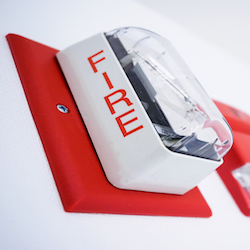
This new building code (IFC 510 / NFPA 72 Section 24) applies to buildings over 50,000 square feet and includes parking garages, basement levels, stairwells, and elevators. The code requires buildings be tested to ensure first responder radios work throughout 95% of the building. If the building does not meet this requirement, a signal booster or Bi-Directional Amplifier (BDA) is needed to fix the problem.
Today’s building standards emphasize Leadership in Energy and Environmental Designs (LEED). But the construction materials (low-e glass, metal cladding, metal roofs, brick, and masonry) used to block ultraviolet (UV) and infrared heat, also block radio waves which means first responders are unable to use their radios from inside the building.
A great way to make sure your building complies with first responder codes is by working with an experienced wireless systems-integration partner. Accesswave Wireless (https://www.accesswaves.com/) tests buildings so that building owners, architects, engineers, and contractors can plan for a booster system if needed. Consequences of testing after construction is complete can be costly and can result in fines or holding the Certificate of Occupancy (CO). Accesswave Wireless finds the public safety frequencies in your area and designs and deploys a system that meets all jurisdictional coverage testing protocols and FCC guidelines.
A note from one of our founders, Raul Guerra…... Full Story
You’re an architect or engineer who wants to be... Full Story
Today, it is imperative that building owners, architects, specifiers,... Full Story
In an emergency, first responders use their 2-way radios... Full Story

Many types of buildings, like multi-family, commercial offices, hotels,... Full Story